Open 24/7 · Monday to Sunday
REPAIR BELOW • DISTURB LESS
A damaged underground sewer line does not always require opening a long trench across the property. Trenchless sewer repair in Pomona, CA can restore qualifying pipes through smaller access areas and specialized methods. At Preferred Plumbing and Rooter Services, the line is evaluated first to determine whether this approach actually fits the damage.
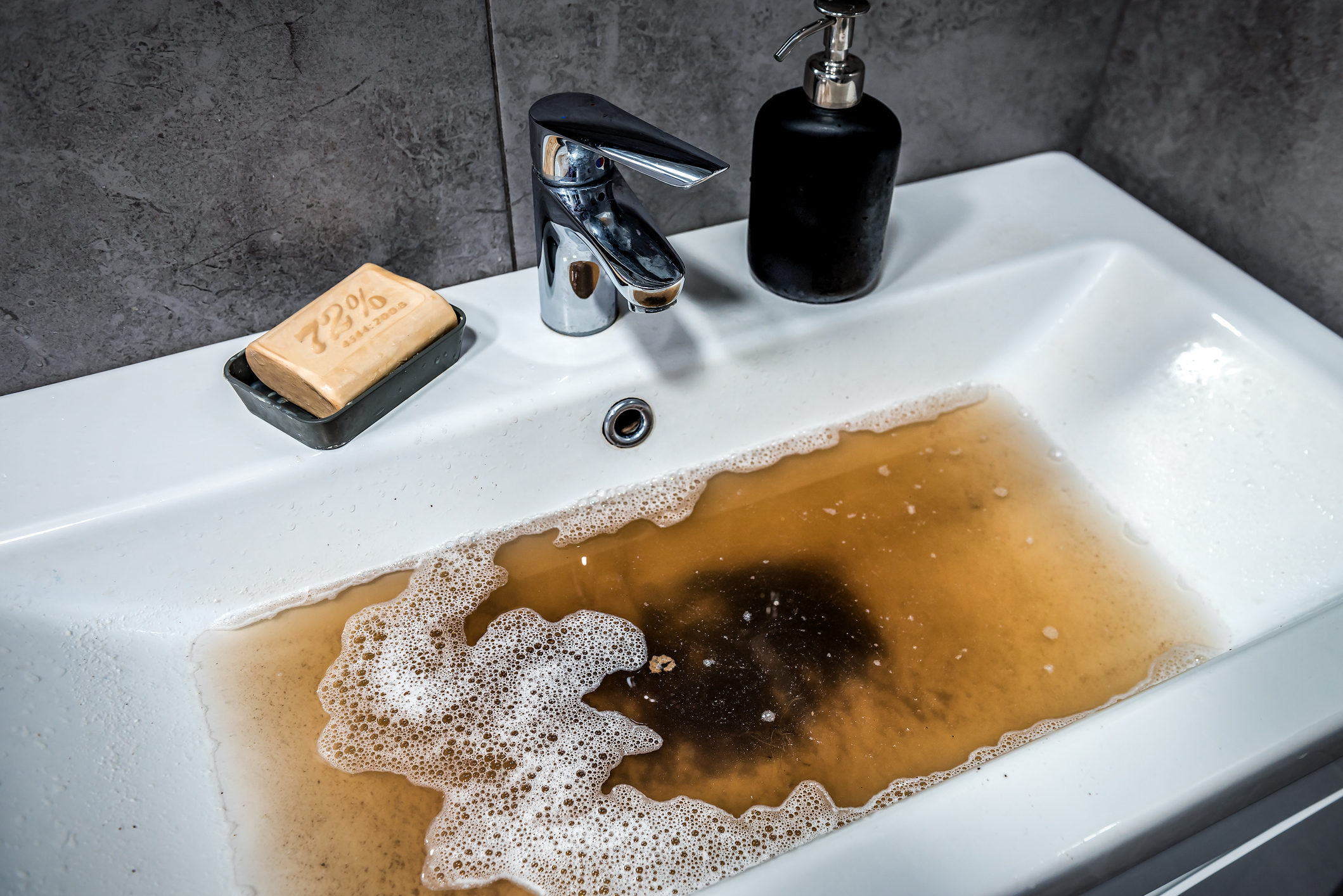
Traditional excavation exposes damaged sewer piping from above, while trenchless pipe repair can work through strategically placed access points. Depending on pipe condition and the selected method, this can reduce disruption to surfaces around the underground line.
Not every broken sewer qualifies. Pipe material, alignment, collapse, access, and the extent of deterioration all influence whether pipe lining or another underground rehabilitation method is appropriate. Preferred Plumbing and Rooter Services bases that decision on the actual sewer condition rather than the appeal of less digging alone.
Trenchless plumbing services are most useful when the line itself meets the technical requirements. A severely collapsed, badly shifted, or inaccessible sewer may still need another repair strategy despite the benefits associated with no-dig sewer repair.
Sewer pipe relining places a new structural lining within suitable existing piping, creating a restored pathway without removing the entire buried line.
A sewer inspection solution can reveal cracks, deterioration, roots, offsets, or collapsed areas before equipment is selected for the underground pipe repair.
Extensive collapse or unsuitable pipe conditions may rule out rehabilitation. In those cases, sewer line replacement can become the more appropriate structural solution.
“Minimally invasive” should describe the repair method, not replace proper evaluation. With more than 25 years of industry experience behind the work, Preferred Plumbing and Rooter Services considers pipe condition, access, and failure type before recommending modern sewer technology. That keeps trenchless sewer replacement or repair tied to suitability rather than convenience alone.
Plumbing problem or service question? Call or text anytime.
ACCESS • RESTORE • VERIFY
Inspection findings establish where deterioration begins, where it ends, and which pipe sections remain usable.
Access, alignment, pipe structure, and damage type are checked against the proposed rehabilitation method.
The approved lining or trenchless method is completed through the planned access points underground.
The rehabilitated sewer is checked to confirm continuity and proper wastewater movement through the repaired section.
TRENCHLESS QUESTIONS
The biggest question is not whether trenchless work sounds easier, but whether the existing pipe can support it.
Not necessarily. Trenchless methods are designed to reduce extensive trenching, but access openings or localized excavation may still be required. The amount of surface disturbance depends on the repair method, pipe location, access points, and the condition of the underground sewer.
Cured-in-place pipe, often called CIPP, is a rehabilitation method that creates a new lining within suitable existing piping. Once installed and cured, the liner forms a restored interior pathway without requiring the entire original sewer pipe to be excavated and removed.
No. Severe collapse, major displacement, unsuitable geometry, or other structural conditions can prevent pipe lining from being practical. Sewer repair services or conventional replacement may be more appropriate when the existing line cannot support a trenchless rehabilitation method.
A camera-based evaluation can show internal damage, obstructions, deterioration, and alignment concerns before the repair method is chosen. That information helps plumbing professionals determine whether relining, another trenchless technique, targeted repair, or replacement better fits the actual sewer condition.
OPTIONS AROUND THE UNDERGROUND LINE
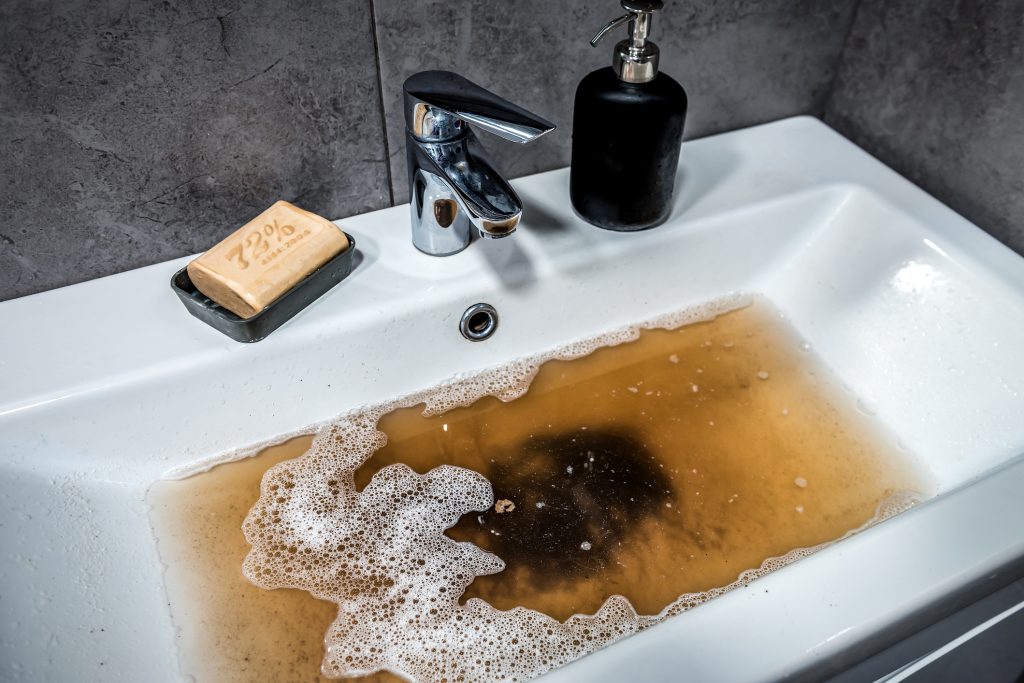
Internal imaging can document pipe condition and help determine whether a trenchless method is technically appropriate.
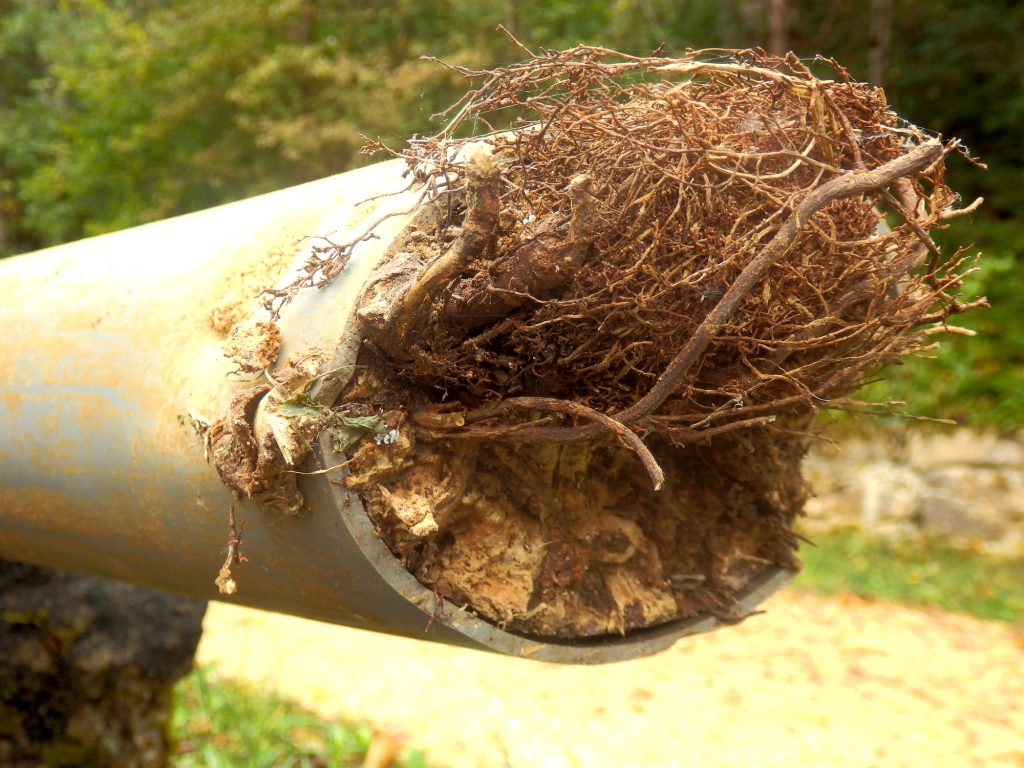
Localized structural damage may be better suited to targeted sewer repair services rather than full rehabilitation.
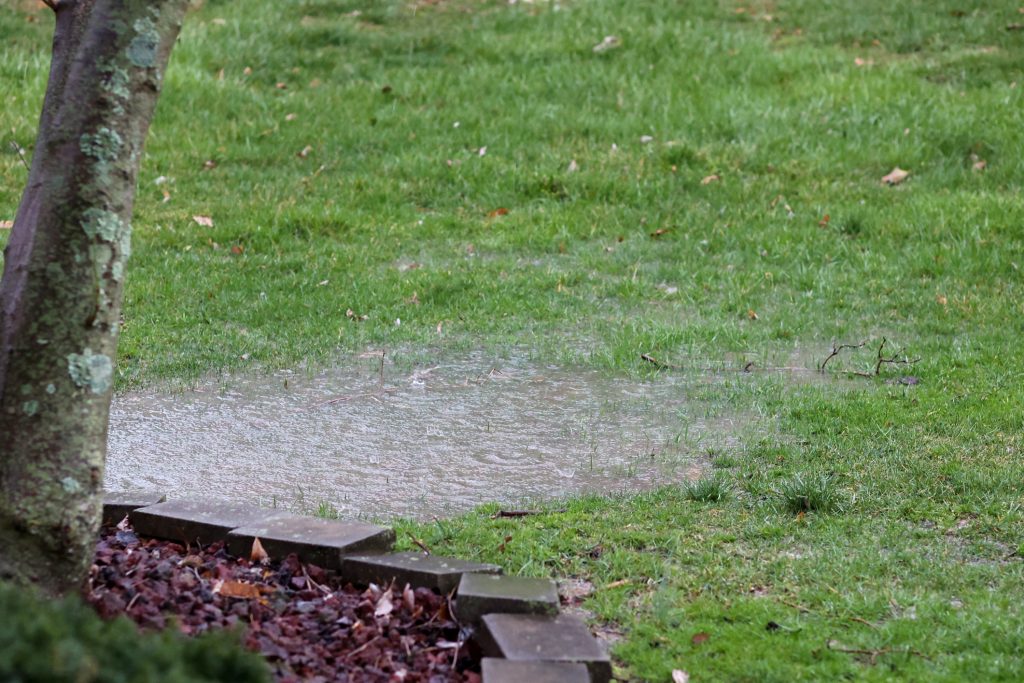
A severely compromised line may require replacement when the existing pipe cannot support trenchless restoration.
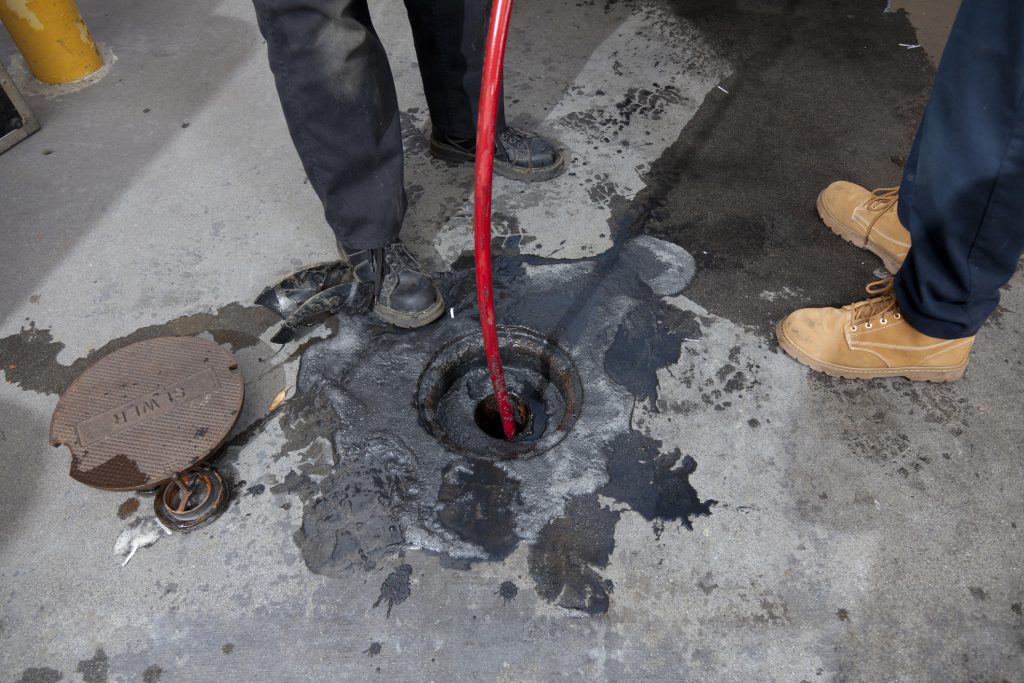
Broader drain and sewer services cover cleaning, inspection, backups, repair, and other wastewater-system concerns.
Suitable lines may require buildup removal before further sewer evaluation or rehabilitation work can move ahead.
A trenchless approach can reduce disruption, but only when the underground conditions support the method. Preferred Plumbing and Rooter Services can evaluate the sewer, explain the available repair paths, and determine whether pipe restoration or another solution makes better sense for the damaged line.